SOLID Principles in C# Articles, Tutorials & News
SOLID Principles in C# articles, tutorials, and news from the DotNetNews archive.
85 articles Updated Page 2 of 4
SOLID Principles in C# articles, tutorials, and news from the DotNetNews archive.
SOLID Principles in C# articles
Page 2 of 4
Newest first
-

Refactoring to SOLID in C#
markheath.net Issue #438
It aims to provide C# developers with practical techniques and strategies to tackle the unique challenges of working in legacy codebases, such as dealing with technical debt, modernizing outdated depe...
-

How to Write Clean Code in C# Using Naming Conventions and Best Practices?
c-sharpcorner.com Issue #433
Master C# clean code: naming conventions, best practices, and SOLID principles. Write readable, maintainable, and scalable .NET applications. Improve team collaboration!
-

Why “Clean Code” is Killing Your Velocity
codeopinion.com Issue #433
We’ve been told that clean code and deadlines are opposites. That if you want to ship fast, you have to write garbage code full of hacks. But if you want to get it right, you need to add boilerplate. ...
-
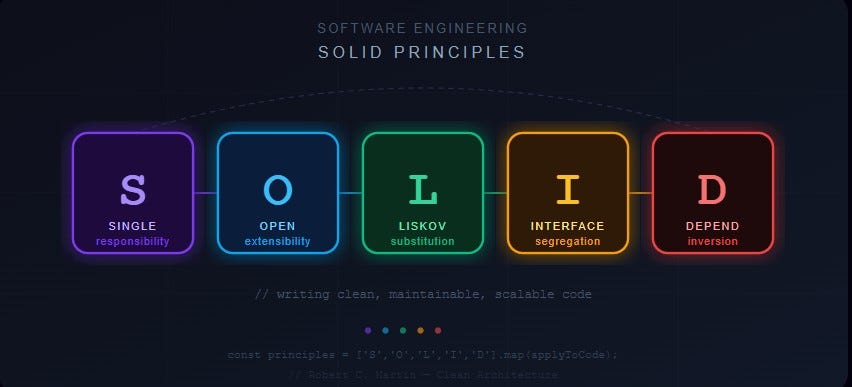
Mastering SOLID Principles: Writing Maintainable C# Code
medium.com Issue #424
Reading time: ~8 minutes
-
Refactoring a Membership Calculator in C# Using SOLID Principles
rupen-anjaria.medium.com Issue #400
From instanceof / if chains to Clean OOP Design
-
Logging, EF Core, and .NET 10 upgrade reasons
DotNetNews Issue #379
A varied .NET roundup with Serilog logging, EF Core Fluent API, .NET 10 upgrade reasons, MAUI, SignalR, and Azure DevOps updates.
-

Combining the Factory and Strategy Patterns
nodogmablog.bryanhogan.net Issue #378
Download full source code. I was recently talking with a friend about the factory and strategy patterns, how they could be used together. He was familiar with the factory, but not the strategy. The ...
-

SOLID Principles Explained the Way I Wish They Had Been Explained to Me
medium.com Issue #366
SOLID only started to make sense when I saw real code improving. So in this article, I’m not going to explain SOLID traditional.
-

Write Code for Humans First, Machines Second
medium.com Issue #354
In my career so far, I’ve worked with two kinds of .NET projects. Both were production systems, business-critical, and written in C#. Yet…
-

Why Do You Need To Write Architecture Tests in .NET
antondevtips.com Issue #354
Explore how to write Architecture Tests with NetArchTest in .NET. Learn how Architecture Tests in .NET improve software quality, enforce and test design rules, prevent technical dept. Architecture Tes
-

The Hidden Performance Cost of “Clean Code” in Large .NET Systems
medium.com Issue #354
1. The Myth of “Clean Code Is Always Better” Continue reading on CodeToDeploy »
-

Clean Architecture vs Vertical Slice — Which One Should You Use?
medium.com Issue #354
Based on the latest developments in .NET 9 and the evolving architectural patterns in the .NET community, let’s explore how these two…
-

From .NET to AI: How a C# Developer Is Building Intelligent Enterprise Applications
medium.com Issue #350
For almost a decade, my world revolved around .NET, C#, APIs, databases, and distributed systems. Clean architecture, SOLID principles…
-

How To Use The Specification Design Pattern in .NET 9
medium.com Issue #342
If you want the full source code, download it from this link: https://www.elitesolutions.shop/
-

Automatically Registering Services in .NET DI with Scrutor
medium.com Issue #342
.NET contains a very basic DI (Dependency Injection) container sufficient to meet the application’s own needs. This built-in container is…
-
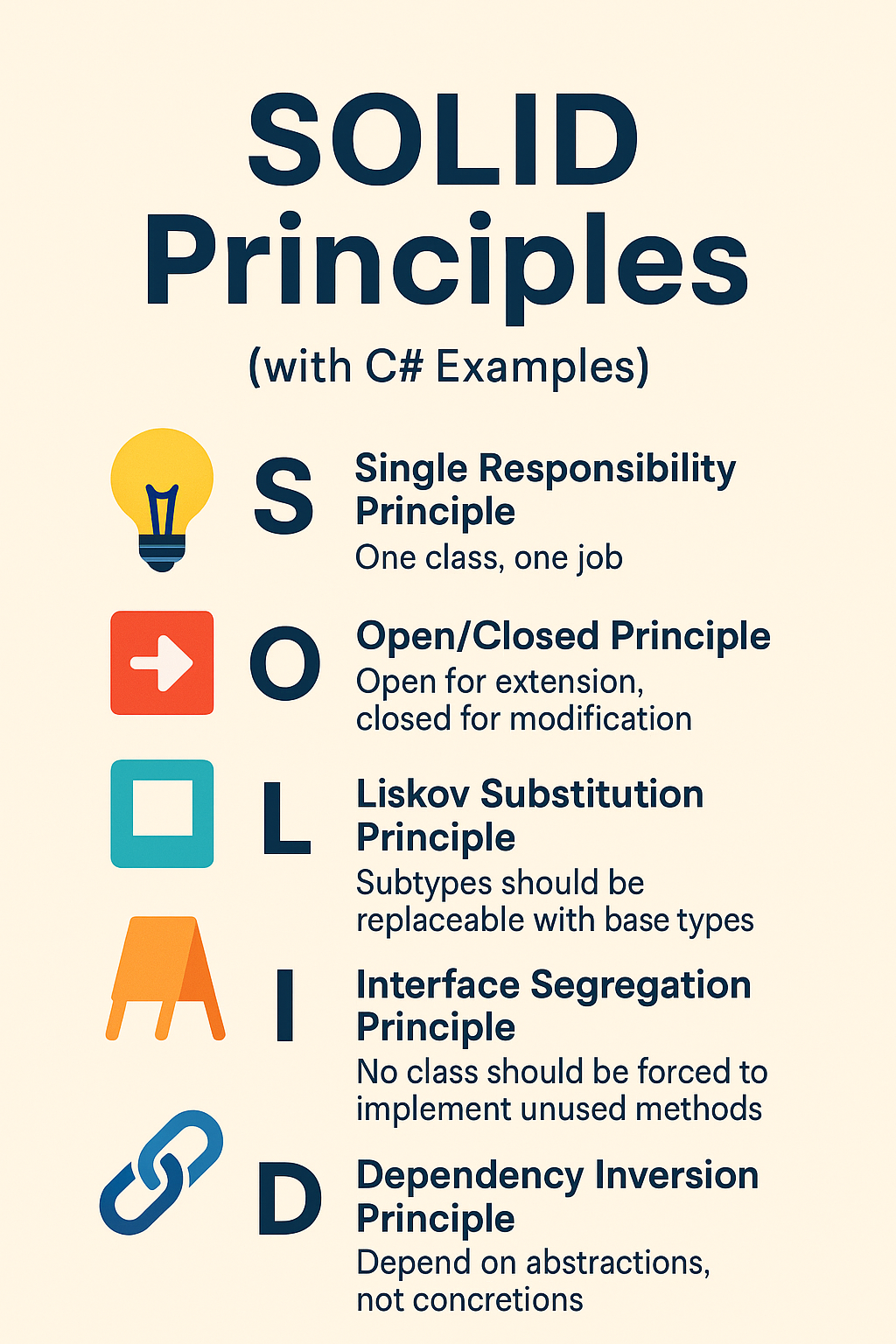
SOLID Principles: A Practical Guide (with C# Examples)
medium.com Issue #326
“Any fool can write code that a computer can understand. Good programmers write code that humans can understand.” ~ Martin Fowler
-

SOLID Principles in C#: Building Software That Lasts
c-sharpcorner.com Issue #316
Unlock the secrets to robust and maintainable C# code with the SOLID principles! This article introduces the five fundamental design guidelines (SRP, OCP, LSP, ISP, DIP) that every C# developer should...
-
Interface Segregation Principle (ISP) in C#: Keep Interfaces Lean
c-sharpcorner.com Issue #316
Master the Interface Segregation Principle (ISP) in C#! Learn to design lean, focused interfaces by avoiding bloated, general-purpose ones. This article provides practical C# examples demonstrating ho...
-

Domain Validation in Domain-Driven Design: Keeping Your Models Always Valid
pasinduprabhashitha.medium.com Issue #315
If you’ve ever had a bug like “a cart item with a negative price” or “an order shipped without confirmation”, you already know the pain of…
-

A Developer's Guide to Fine-Tuning GPT-4o for Image Classification on Azure AI Foundry
devblogs.microsoft.com Issue #315
Whether you’re a machine learning practitioner, app developer, or just curious about the latest in AI, this guide shows how you can quickly boost image classification accuracy using cutting-edge Visio...
-
Single Responsibility Principle (SRP) in C#: One Class, One Job
c-sharpcorner.com Issue #313
Unlock the power of clean code with the Single Responsibility Principle (SRP) in C#! This article provides a practical guide to understanding and applying SRP, the cornerstone of SOLID principles. Lea...
-
SOLID Principles Cheat Sheet 🚀
c-sharpcorner.com Issue #311
Master the SOLID principles of object-oriented design with this cheat sheet! Learn Single Responsibility, Open/Closed, Liskov Substitution, Interface Segregation, and Dependency Inversion principles. ...
-

Writing Future-Proof C# Code: How to Build Software That Lasts
medium.com Issue #309
Most developers write code to make something work. But great developers write code to make something last.
-
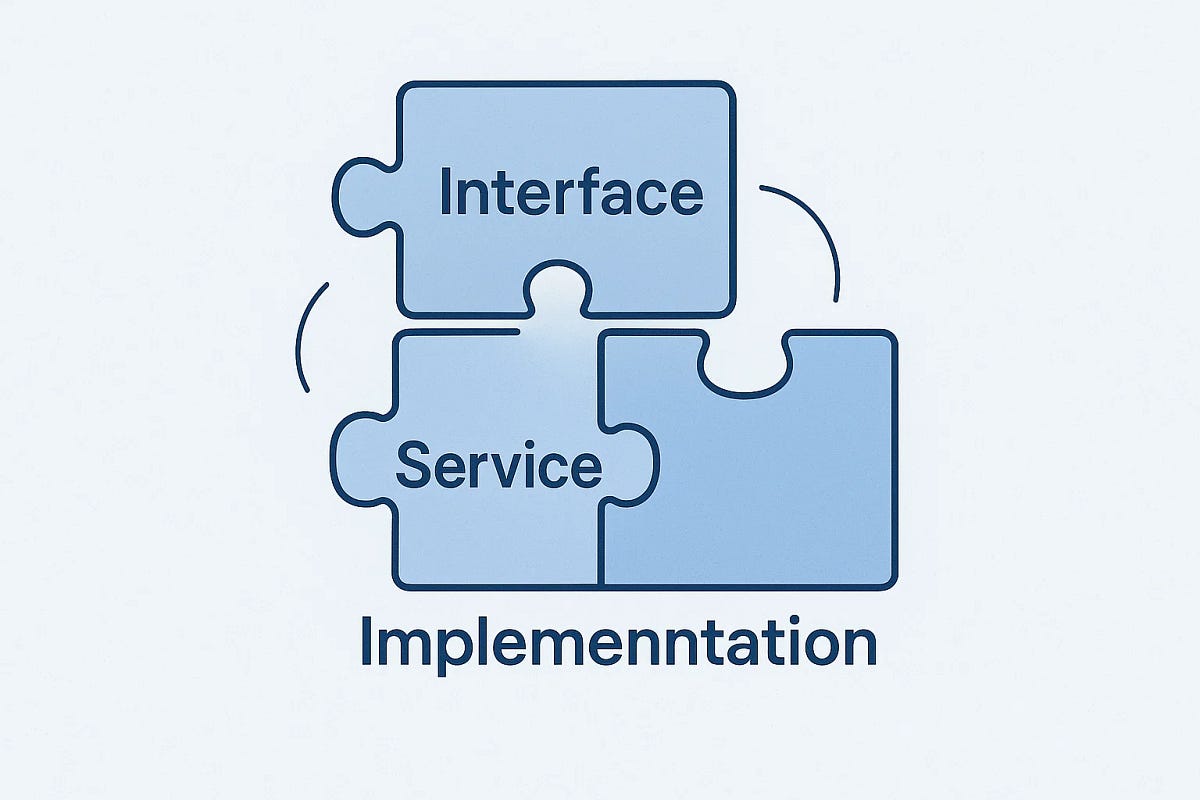
The Power of Abstractions: Building Flexible Code in .NET
medium.com Issue #309
At some point in your .NET journey, you’ll run into a piece of code that “just works” — until a new requirement breaks everything. That’s…
-

Request and Response Models: Keep Your API Contracts Clean in ASP.NET Core
medium.com Issue #309
How to separate domain entities from API contracts to prevent data leaks and breaking changes in your ASP.NET Core APIs.