.NET Performance and Optimization Articles, Tutorials & News
.NET Performance and Optimization articles, tutorials, and news from the DotNetNews archive.
1407 articles Updated
Start here
Editor picks for Performance
-

Building a Streaming, Low-Allocation Excel Writer in .NET
c-sharpcorner.com Issue #504
This is the sort of performance article I enjoy: concrete techniques, memory focus, and measurable tradeoffs instead of vague optimization tips.
-

Redis Caching Strategies for High-Traffic ASP.NET Core Applications
c-sharpcorner.com Issue #503
Straightforward and useful. Redis strategy discussions matter more when traffic patterns and invalidation costs are part of the conversation.
-

Optimizing I/O Performance in .NET
dotnettips.com Issue #498
Useful refresher on the unglamorous bottlenecks that often matter more than algorithm tweaks in production apps.
-

.NET 8 vs .NET 6: Should You Upgrade?
faciletechnolab.com Issue #495
A sensible upgrade comparison focused on support windows, performance, and migration risk rather than hype.
-

Modern C# Features: A Deep Dive into Records, Pattern Matching, Async, and Performance
medium.com Issue #494
Broad C# feature roundup for developers who want a refresher beyond syntax snippets.
-
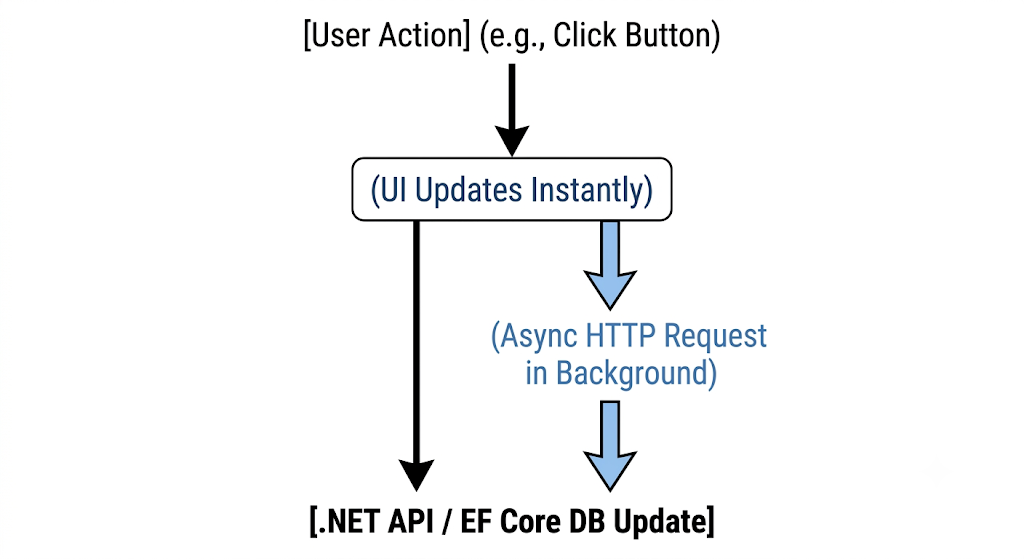
Beyond the Spinner: Implementing High-Performance Optimistic UI with .NET and JavaScript
medium.com Issue #487
Optimistic UI is one of those topics that touches both performance and product feel. Good when done with discipline.
-

IO Performance: Reuse HttpClient to Avoid Connection Overhead
dotnettips.com Issue #485
A perennial reminder: HttpClient misuse still shows up in too many codebases.
-

10 EF Core Performance Mistakes (and How to Fix Them) in .NET 10
codewithmukesh.com Issue #479
This is the kind of EF Core checklist teams should review before blaming the database.
.NET performance optimization from the DotNetNews archive, curated for .NET developers who already ship production code. This is a reading list pulled from daily issues, not a substitute for the official docs on .NET Performance and Optimization.
Use Start here for the editorial shortlist, then browse Latest or the full archive when you need more depth. Coverage leans toward .NET performance optimization, C# performance, ASP.NET Core performance. Recent pieces worth opening: “The Cosmos DB Query That Burned 2 Million RUs Before Lunch” and “Building a Streaming, Low-Allocation Excel Writer in .NET”.
Latest
Newest Performance from the archive
- Building a Streaming, Low-Allocation Excel Writer in .NET
c-sharpcorner.com Issue #504
-
 Understanding Garbage Collector and Finalizers in C#
wiemksaier.medium.com Issue #503
-
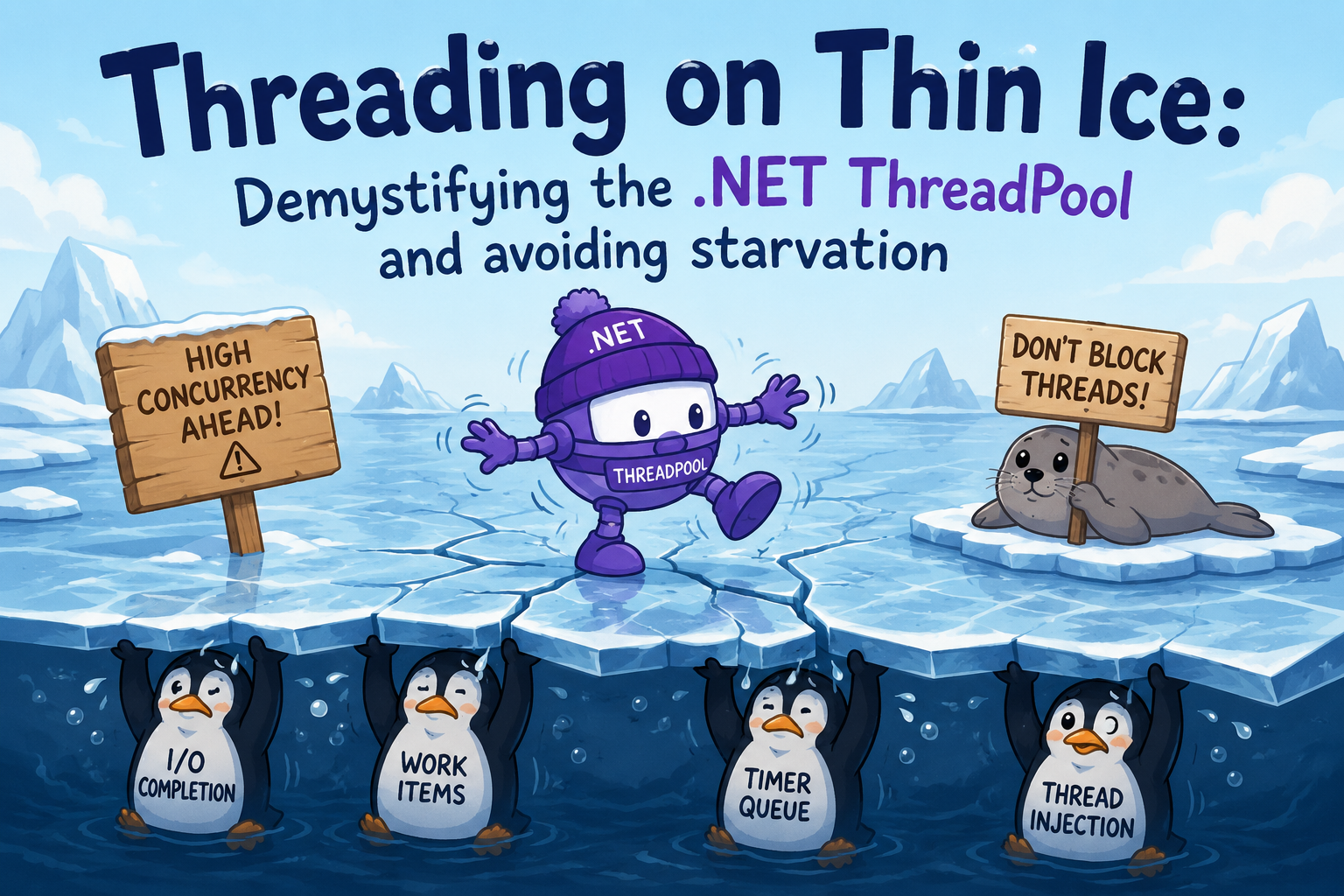 Threading on Thin Ice: Demystifying the .NET ThreadPool and avoiding starvation
truestorydavestorey.medium.com Issue #502
-
 Fastest Way to Bulk Insert Thousands of Rows in EF Core
codewithmukesh.com Issue #502
Archive
Page 1 of 57
Newest first
-
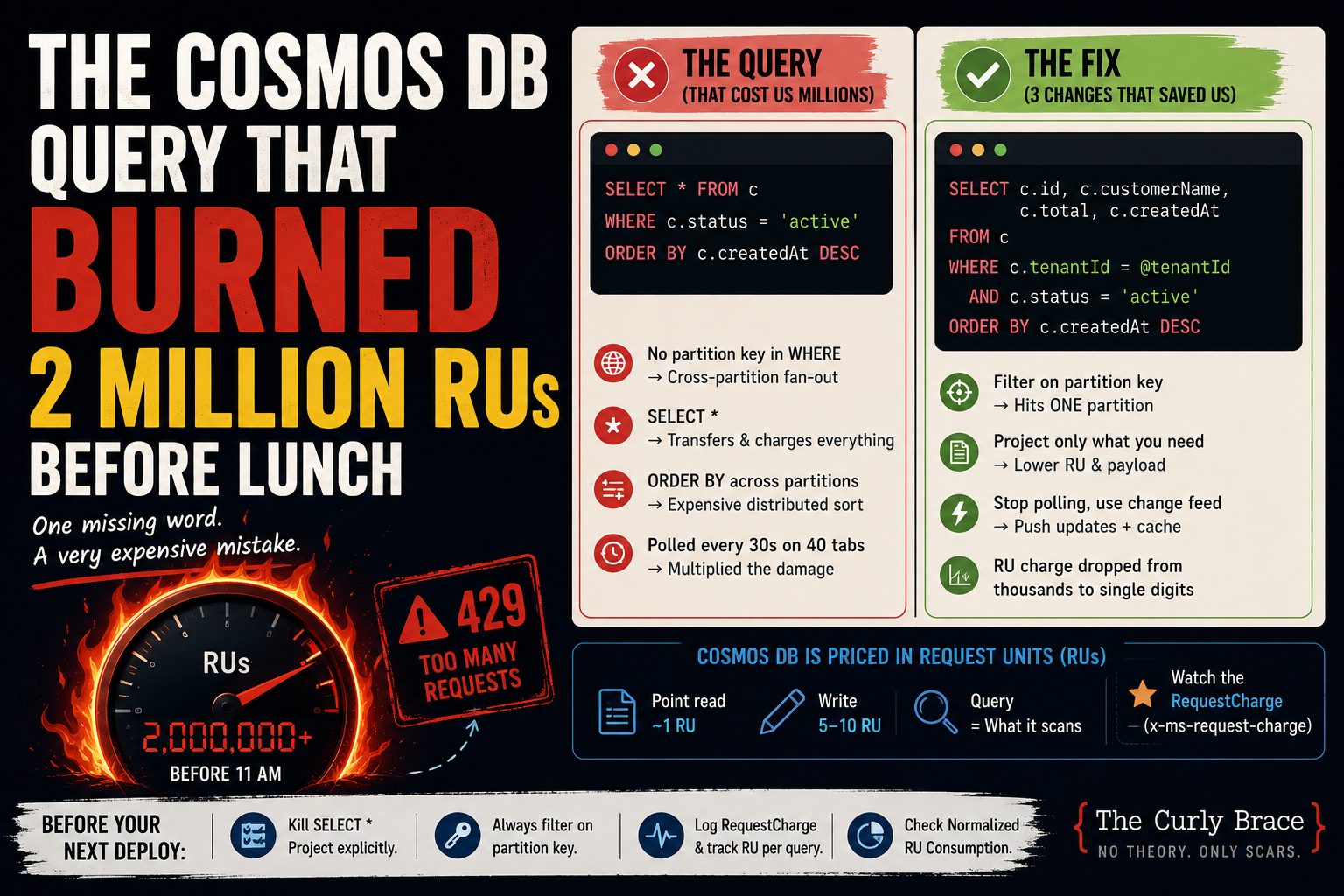
The Cosmos DB Query That Burned 2 Million RUs Before Lunch
medium.com Issue #504
One missing word in a WHERE clause. A dashboard that refreshed every 30 seconds. A throttling storm that made the whole app feel broken —…
-
Building a Streaming, Low-Allocation Excel Writer in .NET
c-sharpcorner.com Issue #504
Build a high-performance, low-allocation Excel writer in .NET using streaming, IBufferWriter , and OOXML internals. Achieve 8-10x speed and 30-100x less memory.
-
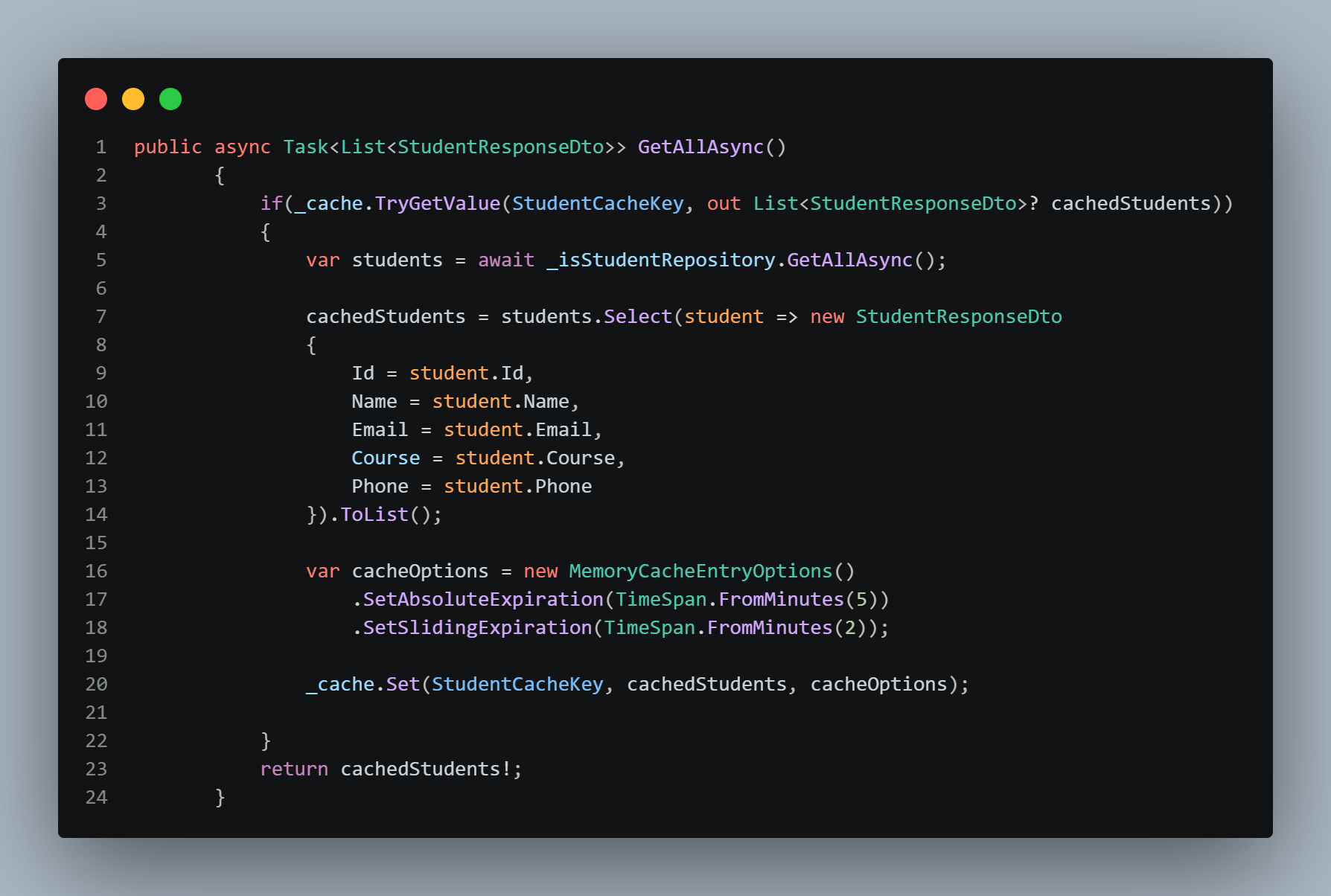
The Power of a Single Exclamation Mark: A Memory Cache Tale in .NET 9
medium.com Issue #503
Every software engineer loves making their application faster. I was working on my.NET 9 Student Management API. I wanted to make it…
-

Building a Database in a Text File — Why Async Is Not Enough
medium.com Issue #503
The Idea Behind This Series
-
Redis Caching Strategies for High-Traffic ASP.NET Core Applications
c-sharpcorner.com Issue #503
Boost ASP.NET Core app performance with Redis caching strategies. Reduce database load, improve response times, and scale effectively.
-

ASP.NET Core Performance Optimization Techniques Every Developer Should Know
c-sharpcorner.com Issue #503
Boost ASP.NET Core app speed! Learn essential techniques for faster response times, reduced costs, and better user experience.
-
Understanding Garbage Collector and Finalizers in C#
wiemksaier.medium.com Issue #503
When we write code in C#, we create objects all the time.
-
Threading on Thin Ice: Demystifying the .NET ThreadPool and avoiding starvation
truestorydavestorey.medium.com Issue #502
Introduction
-
Fastest Way to Bulk Insert Thousands of Rows in EF Core
codewithmukesh.com Issue #502
Benchmark the fastest way to bulk insert thousands of rows in EF Core 10 - AddRange vs EFCore.BulkExtensions vs SqlBulkCopy and Npgsql COPY, with real numbers.
-
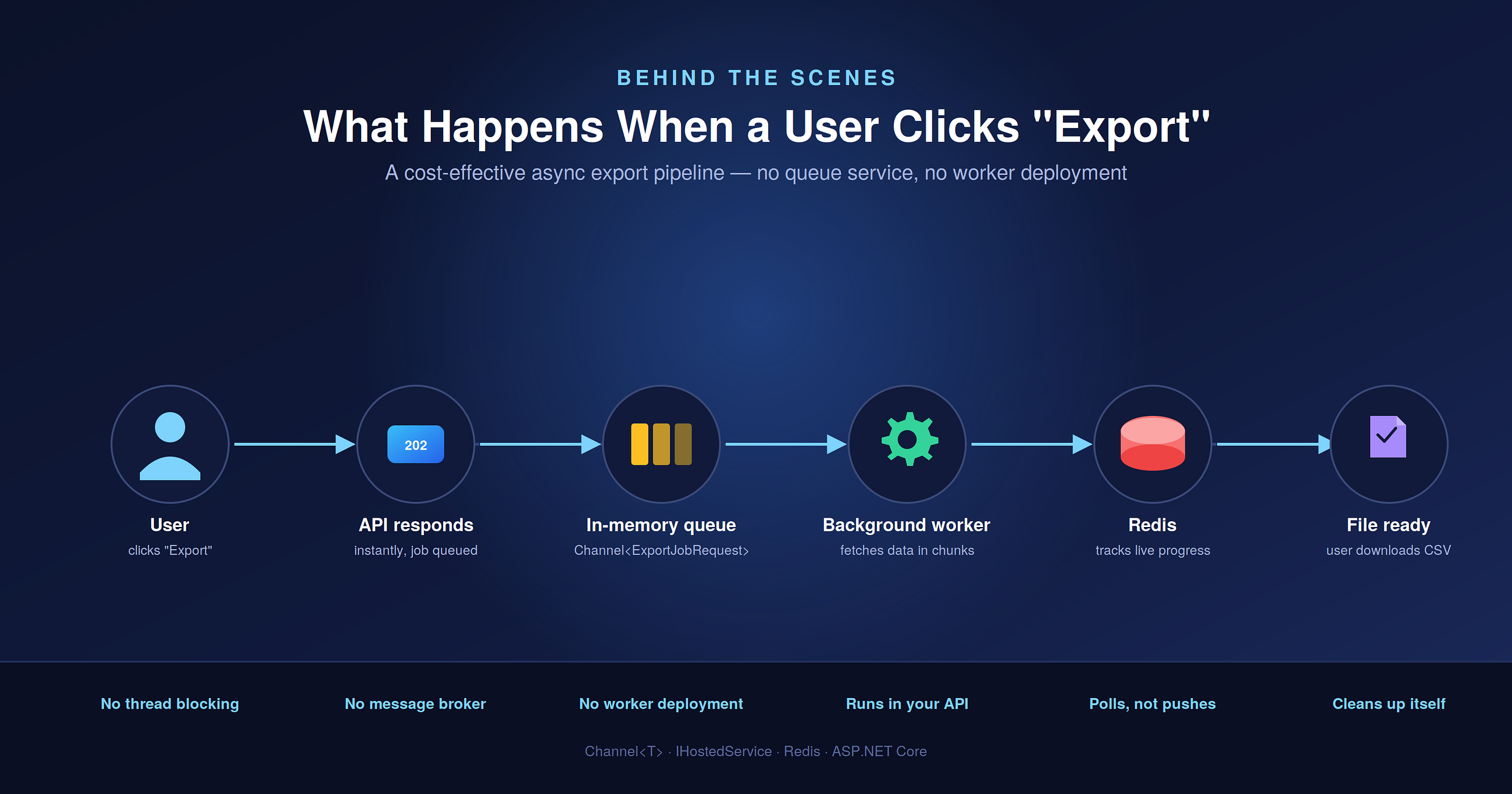
Building a Cost-Effective Async Export Pipeline in ASP.NET
medium.com Issue #502
How to stop your API from freezing on large exports — using nothing but System.Threading.Channels, IHostedService, and Redis.
-

Your Try-Catch Blocks Are Lying to You
medium.com Issue #502
Exceptions aren’t free, and neither is treating every failure like one. Here’s how I split the two, and where I draw the line.
-

Entity Framework Core Performance Tuning for Large Applications
c-sharpcorner.com Issue #501
Optimize EF Core for large apps: Boost performance with AsNoTracking, pagination, indexing, caching, and more.
-

Implementing AI Cost Optimization and Token Management Strategies in .NET Applications
c-sharpcorner.com Issue #501
Master AI cost optimization in .NET. Learn token management, prompt engineering, caching, and model selection for sustainable AI.
-

.NET 11 Preview 8: New Features and Breaking Changes Explained
c-sharpcorner.com Issue #501
.NET 11 Preview 8: Explore new features like runtime performance, Native AOT, and JSON serialization. Prepare for breaking changes.
-
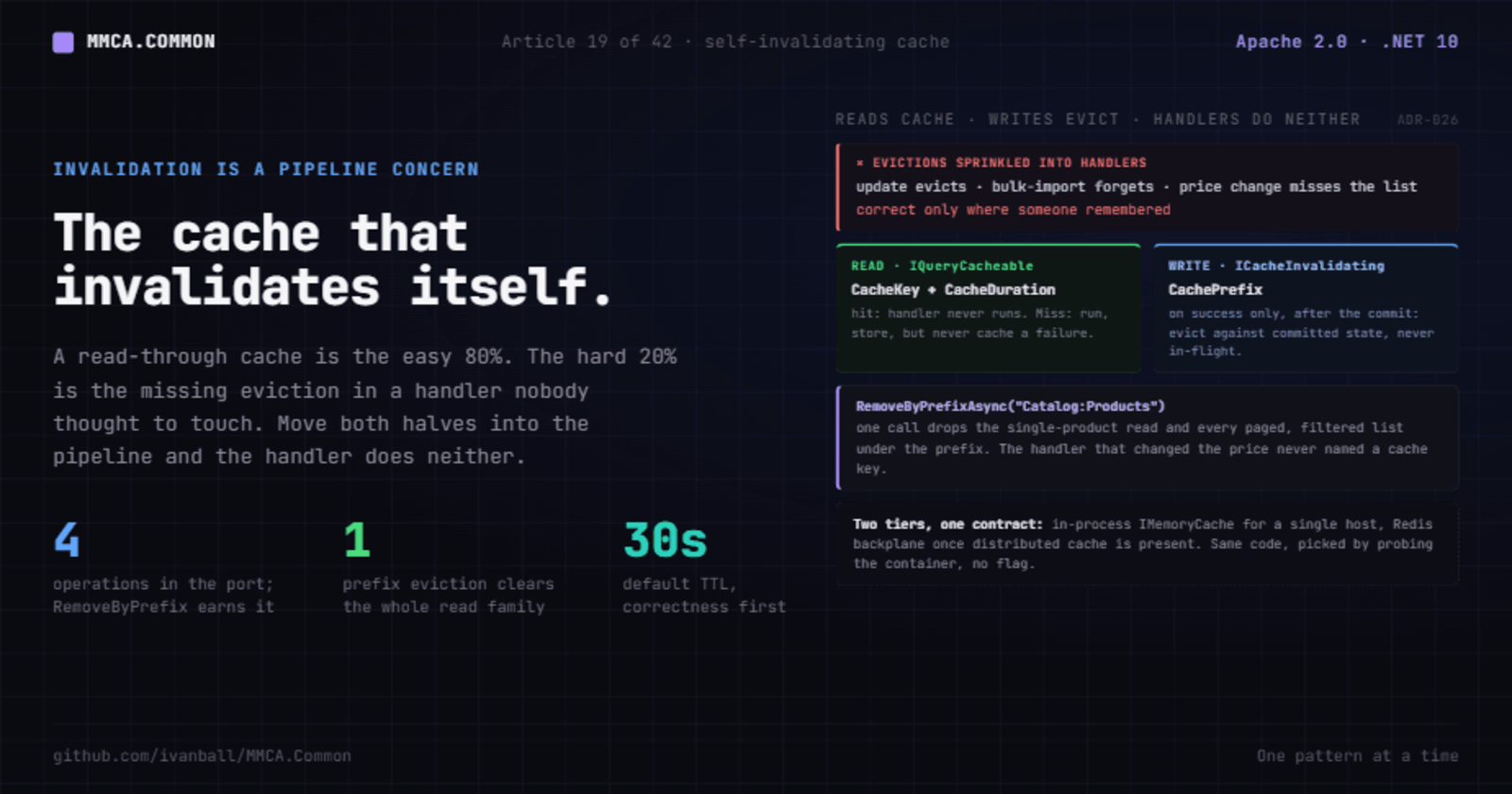
The self-invalidating cache that lives in the pipeline, not your handlers
medium.com Issue #501
A read-through cache is easy. Keeping it correct is the hard part. Here is a cache where a write invalidates the reads it staled…
-

Concat Costs
medium.com Issue #501
String concatenation with + is fine for one line, but in loops or dynamic UI it forces the garbage collector to work overtime…
-

Memory discipline and GC awareness in .NET
csharpdigest.net Issue #500
avoid frequent collection cycles causing latency spikes and wasted CPU time
-
Streaming Excel Exports in ASP.NET Core with IAsyncEnumerable
c-sharpcorner.com Issue #500
Stream Excel exports in ASP.NET Core using IAsyncEnumerable to avoid memory issues. Process large datasets efficiently without loading them entirely into memory.
-
Optimizing I/O Performance in .NET
dotnettips.com Issue #498
I/O operations impact application responsiveness, scalability, and costs. Enhancing file access, HTTP requests, and networking improves user experience while reducing resource consumption. This chapte...
-

The Fasting Developer: Memory Discipline and GC Awareness in .NET
binaryintellect.net Issue #498
There is a quiet assumption baked into most .NET codebases: the Garbage Collector will always clean up. And technically, it will. But the cost of that cleanup — paid in latency, in CPU time, in unpred...
-

Stop Over-Fetching: Master EF Core Projections for Faster, Leaner APIs
bogdan-hatis.medium.com Issue #498
Modern APIs rarely need every column from every related table.
-

IQueryable vs IEnumerable: The Mistake That Loads Your Whole Table
medium.com Issue #497
You wrote a clean LINQ query. It filters down to ten rows. It runs fine in dev, and then in production it’s slow and your database CPU is…
-

Bypassing the .NET GC: How I Hit 2.3 Million OPS With a C#-Native Embedded Database
medium.com Issue #496
DataVo v0.1 Alpha: an open-source, zero-allocation SQL + vector engine that runs in-process, no native extensions required.
-
.NET 8 vs .NET 6: Should You Upgrade?
faciletechnolab.com Issue #495
.NET 8 vs .NET 6 compared. Support timelines, performance gains, and breaking changes. A practical guide to deciding when and how to upgrade.
-

gRPC vs REST APIs: Performance, Scalability, and Use Cases Compared
c-sharpcorner.com Issue #495
Compare gRPC vs REST APIs: explore performance, scalability, use cases, architectural differences, data formats, and when to choose each.