AI ASP.NET Core, DI Pitfalls, EF Core Patterns
Covers Azure OpenAI and AI Search builds, CQRS and specification patterns, DI mistakes, async bugs, WinApp packaging, and Playwright testing.
Jasen's top three picks
- 1 Building AI-Powered Database Query Optimization Advisors with ASP.NET Core
c-sharpcorner.com
Interesting applied-AI angle: useful if you want something more concrete than generic copilot talk and need EF Core plus Azure OpenAI in the loop.
- 2 Why I Added an Audit Trail to Our Admin Panel (and the Gap I Almost Missed)
medium.com
Audit trails are easy to under-scope; the missed-gap framing is what makes this one worth a read.
- 3 ASP.NET MVC vs Razor Pages: When to Use Which
faciletechnolab.com
Good practical comparison piece for teams choosing between page-focused and controller-focused web UI patterns.
Editor's note
I kept this one intentionally mixed, which is how I like these daily lineups. The AI-powered query advisor and knowledge base search pieces are practical examples of where ASP.NET Core meets Azure services in useful ways, while the DI coupling and lifetime posts hit problems plenty of teams still trip over. I also liked seeing query objects and specifications show up alongside CQRS without MediatR, because those architectural choices matter more than whichever library is fashionable this month.
Today's articles

Building AI-Powered Database Query Optimization Advisors with ASP.NET Core
c-sharpcorner.com
Build an AI-powered database query optimization advisor with ASP.NET Core, EF Core, and Azure OpenAI for faster queries, reduced costs, and improved scalability.
Topics: ASP.NET Core EF Core OpenAI
Read article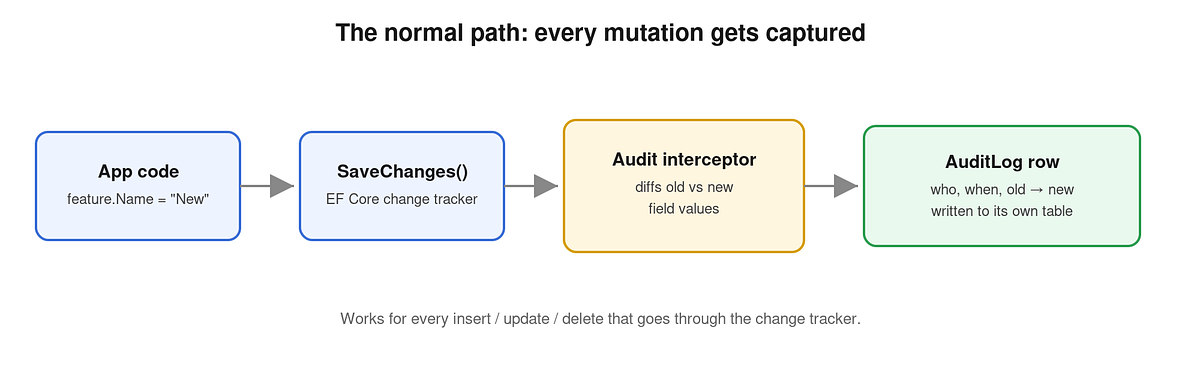
Why I Added an Audit Trail to Our Admin Panel (and the Gap I Almost Missed)
medium.com
Our internal admin panel is the control room for a B2B SaaS product. Staff use it to manage subscriptions, feature flags, and user access…
Topics: Authorization Security
Read article
ASP.NET MVC vs Razor Pages: When to Use Which
faciletechnolab.com
ASP.NET MVC vs Razor Pages compared — when each pattern fits best, with practical guidance for choosing the right approach for your ASP.NET Core project.
Topics: ASP.NET Core ASP.NET MVC
Read article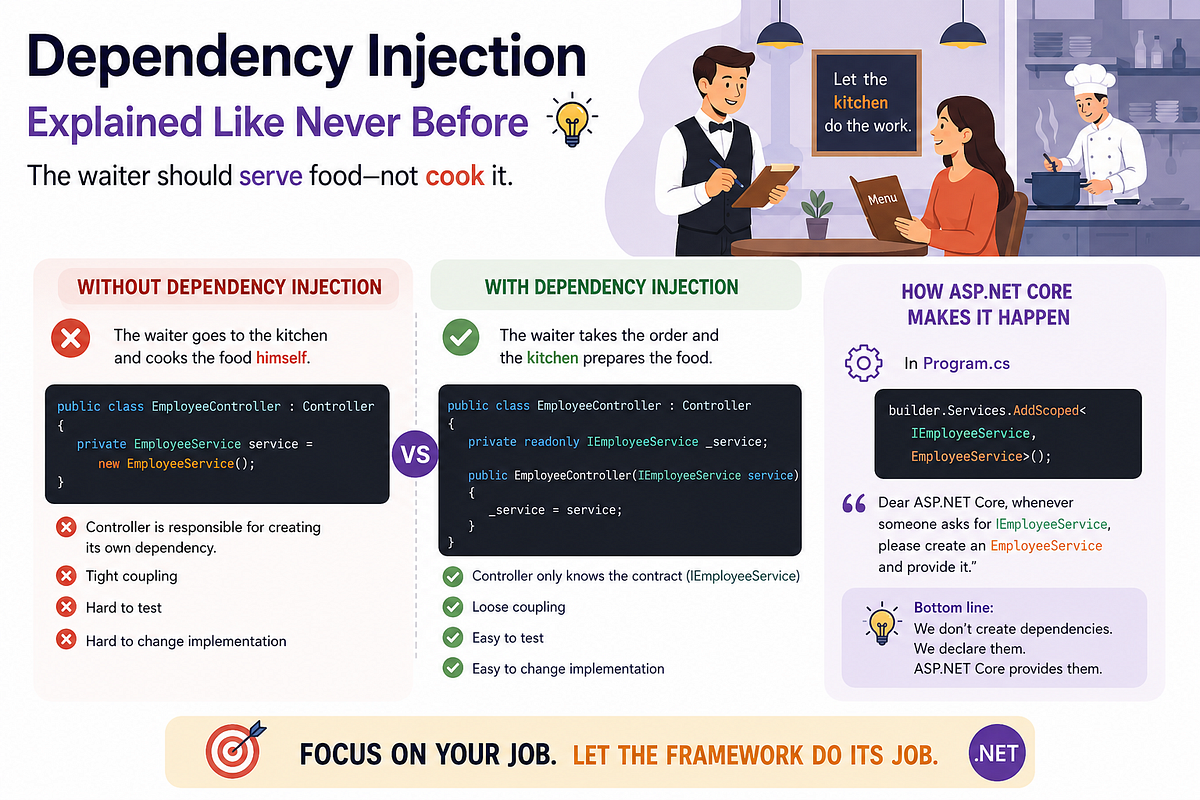
Dependency Injection in .NET Core
medium.com
🚀 Dependency Injection in .NET finally clicked for me… and here’s the explanation I wish someone had given me on Day 1.
Topics: Design Patterns .NET Core
Read article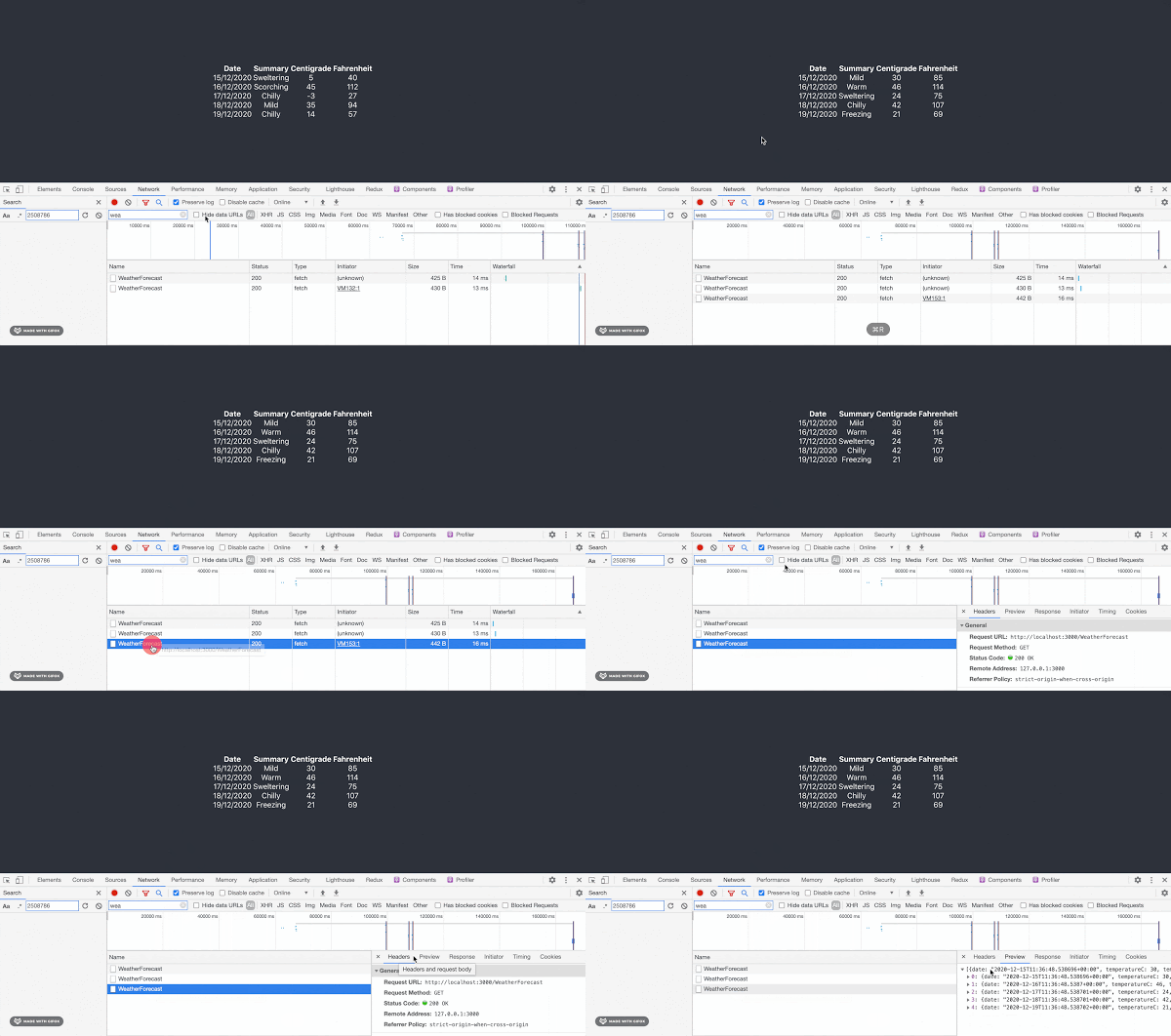
Full-stack static typing with OpenAPI TypeScript and Microsoft.AspNetCore.OpenApi
johnnyreilly.com
This post will show you how to write full stack applications with static typing from back to front using OpenAPI, TypeScript and .NET.
Topics: ASP.NET Core C# Web API
Read article
CQRS Without MediatR: A Lightweight Approach for Modern .NET Applications
c-sharpcorner.com
Implement CQRS in .NET without MediatR for a simpler, more maintainable, and easily debuggable architecture. Focus on core principles.
Read article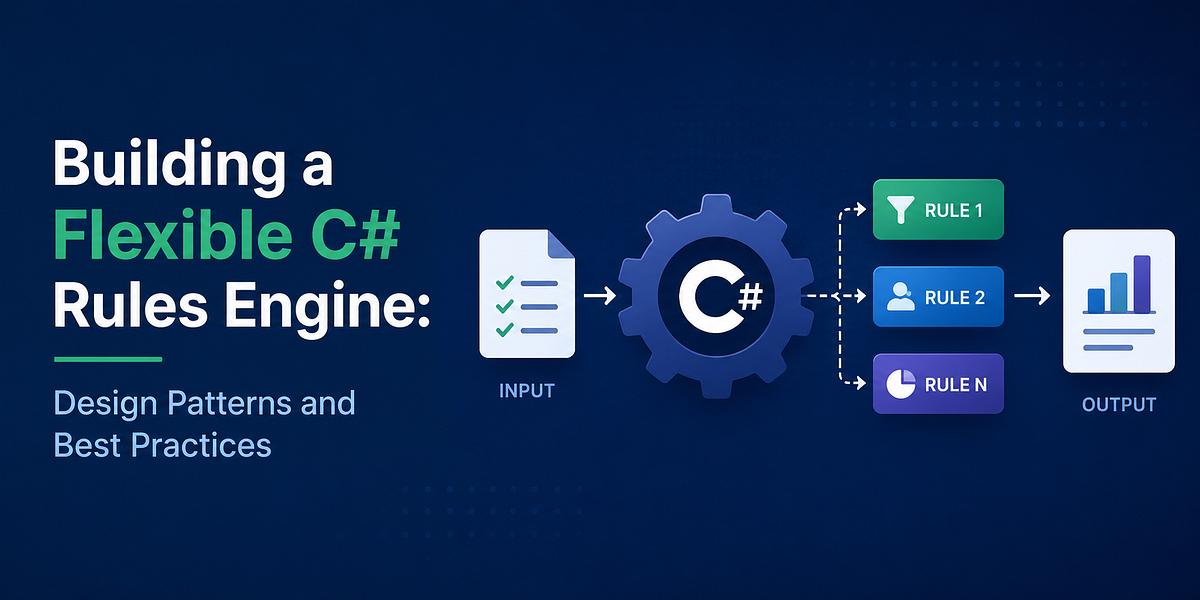
Building a Flexible C# Rules Engine: Design Patterns and Best Practices
snehasishkonger.medium.com
Most teams end up here for one of two reasons. Either there’s already a big C#/.NET codebase and someone’s tired of if-else logic bleeding…
Topics: C# Design Patterns
Read article
The DI Coupling Trap: When .NET Libraries Block Their Own Capabilities
medium.com
A pattern that shows up repeatedly in .NET library code — where a public convenience method hardcodes a dependency resolution strategy and…
Topics: Design Patterns .NET Core
Read article
Heap vs Stack in C#: The Biggest Misconception Every Beginner Learns
wiemksaier.medium.com
If you’ve been learning C#, you’ve probably heard this:
Topics: C# Performance
Read article
Where AI-assisted coding accelerates development — and where it doesn’t
johnnyreilly.com
AI-assisted coding has transformed software development. However, it also introduces challenges around code quality, architectural decisions, and maintaining foundational engineering skills. This post...
Topics: GitHub Copilot OpenAI
Read article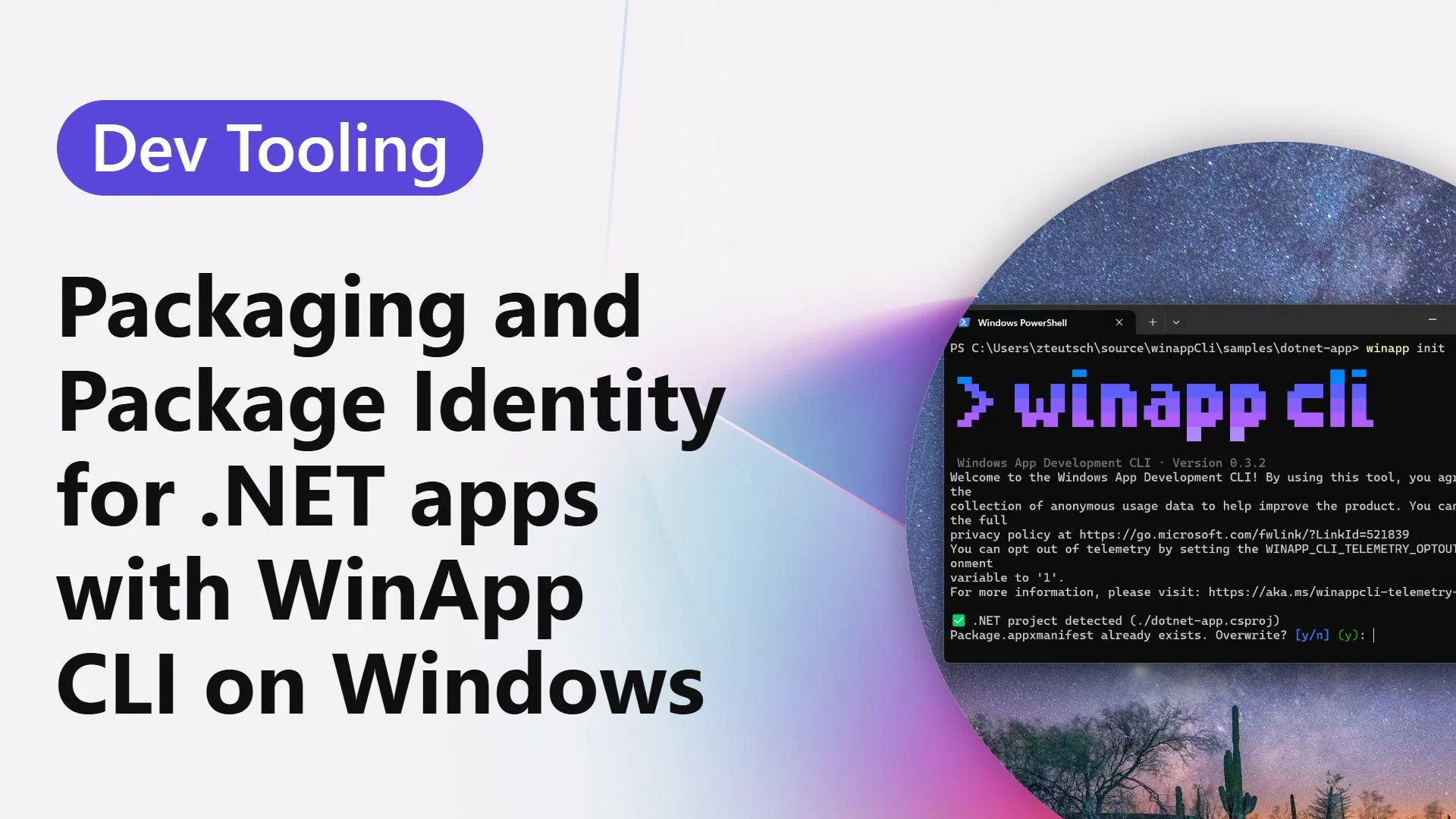
Packaging and Package Identity for .NET apps with WinApp CLI on Windows
devblogs.microsoft.com
Package identity has often been a pain point for developers looking to build apps that integrate with Windows APIs. Many modern Windows features, like push notifications or the AI APIs, are gated behi...
Read article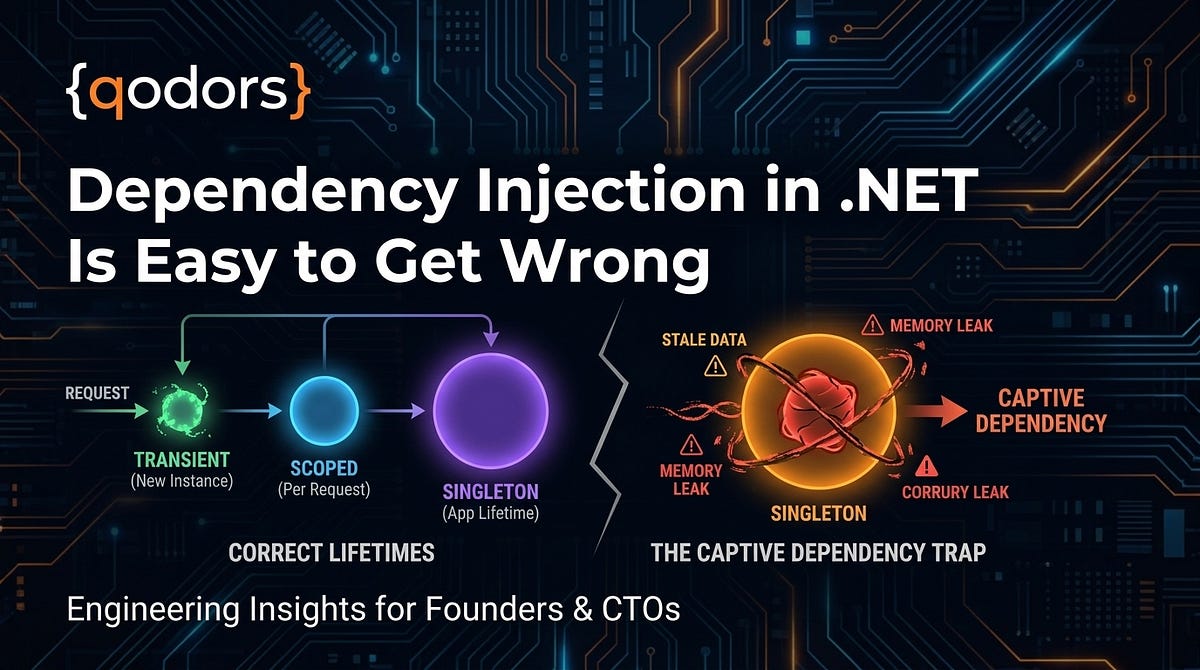
Dependency Injection in .NET Is Easy to Get Wrong
medium.com
Almost every weird intermittent bug I’ve dealt with in a .NET
Topics: Design Patterns .NET Core
Read articleImplementing an AI-Powered Knowledge Base Search System with ASP.NET Core and Azure AI Search
c-sharpcorner.com
Build an AI-powered knowledge base search with ASP.NET Core & Azure AI Search. Enhance productivity with semantic search & RAG.
Topics: ASP.NET Core Azure OpenAI
Read article
Inheritance v.s. Composition
medium.com
Composition over Inheritance
Topics: C# Solid Principles
Read articleModern C# Features: A Deep Dive into Records, Pattern Matching, Async, and Performance
medium.com
A practical guide to the C# language features that have reshaped how we write .NET code — records, pattern matching, async/await…
Topics: C# Performance
Read article
From Student to Software Engineer: What I Wish I Knew Before Learning DotNet
medium.com
Most people don’t struggle with learning DotNet because it’s difficult. They struggle because they learn it in the wrong order.
Read article
Async/Await Pitfalls in C#: The Bugs That Compile Fine and Break in Production
c-sharpcorner.com
Master C# async/await: Avoid hidden bugs like async void, deadlocks, and forgotten awaits that compile but break in production.
Topics: C# Performance
Read articleBuilding AI-Powered API Deprecation Management Platforms with .NET
c-sharpcorner.com
Build AI-powered API deprecation platforms with .NET, OpenTelemetry, and Azure OpenAI for safer retirements and faster migrations.
Topics: OpenAI OpenTelemetry Web API
Read article
Exploring C# 15: Union Types, Collection Expressions, and Closed Hierarchies
c-sharpcorner.com
Explore C# 15's Union Types, Closed Hierarchies, and Collection Expressions for enhanced type safety and code readability.
Read articleBuilding Flexible EF Core Queries with Query Objects
c-sharpcorner.com
Master EF Core query flexibility with Query Objects. Build reusable, composable queries for maintainable, efficient data retrieval.
Topics: Design Patterns EF Core
Read article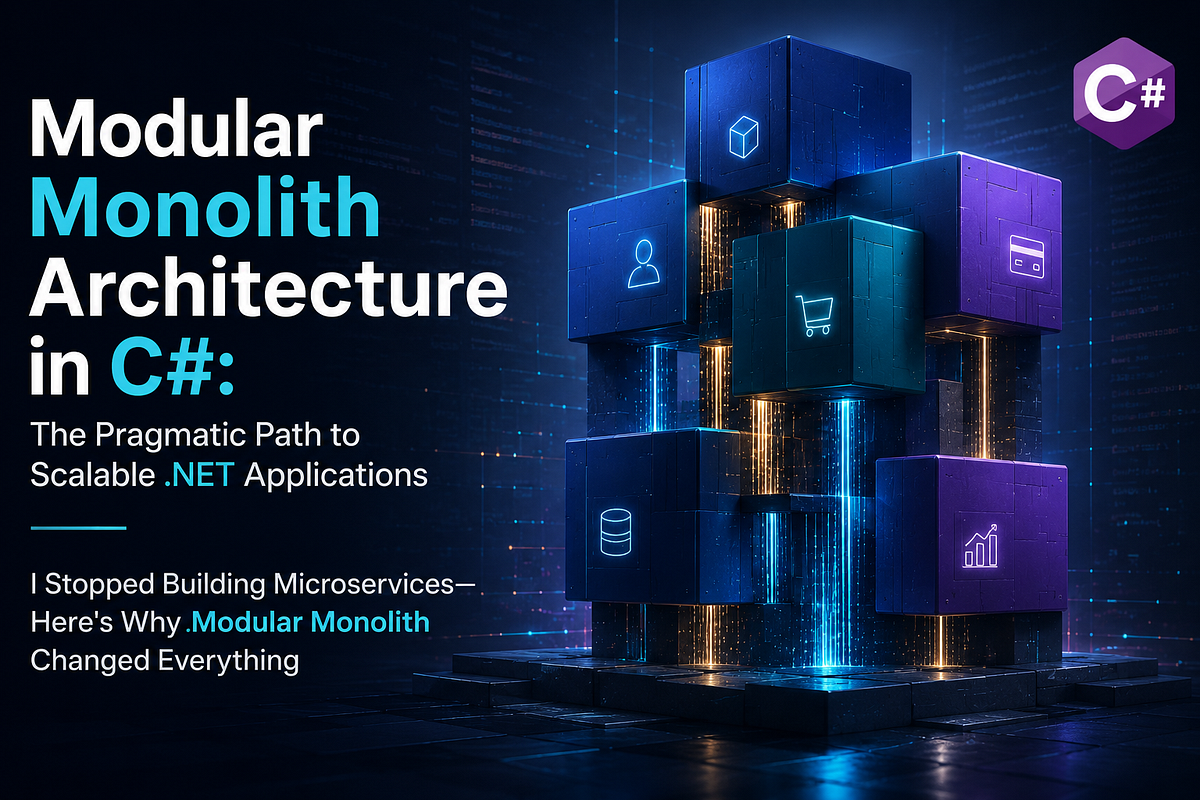
Modular Monolith Architecture in C#: The Pragmatic Path to Scalable .NET Applications
medium.com
I Stopped Building Microservices — Here’s Why Modular Monolith Changed Everything
Topics: Clean Architecture Domain-Driven Design
Read article
Test Automation Best Practices with Microsoft Playwright
c-sharpcorner.com
Master Microsoft Playwright with best practices for reliable, scalable, and maintainable test automation. Boost confidence and speed.
Topics: ASP.NET Core Unit Testing
Read article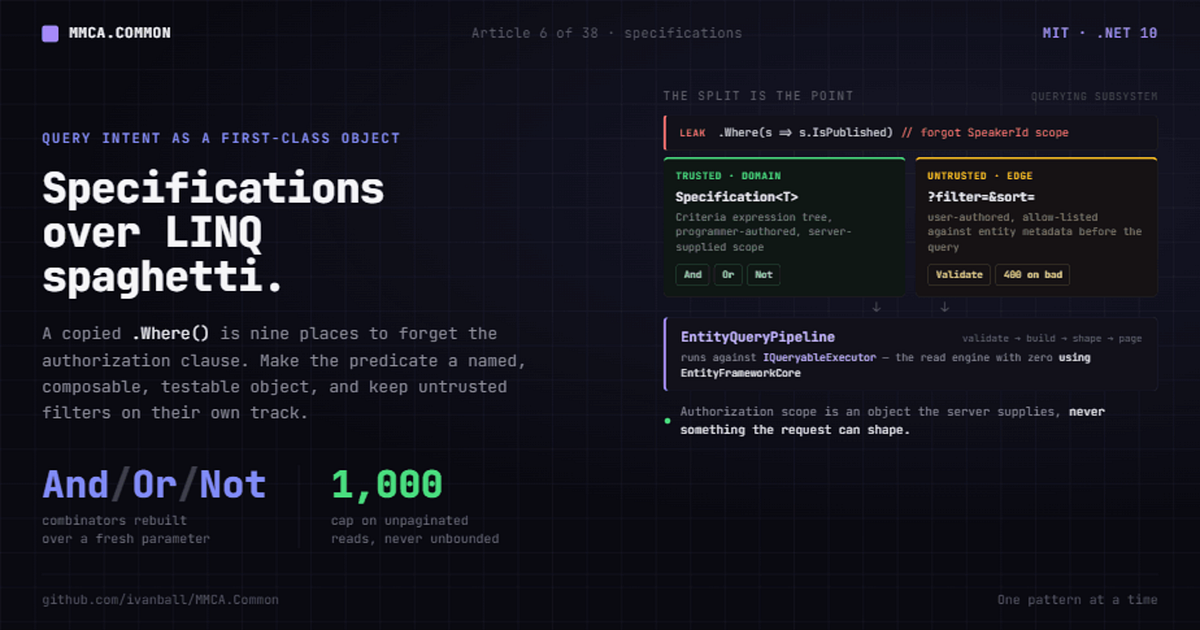
Specifications over LINQ spaghetti: composable, reusable query intent
medium.com
A .Where(s => s.SpeakerId == id && !s.IsDeleted && s.IsPublished) copied into nine controllers is nine places to forget the authorization…
Topics: Clean Architecture Design Patterns EF Core
Read article