AI Architecture, Middleware, Versioning and Diagnostics
A varied .NET mix covering AI service patterns, streaming APIs, Aspire in VS Code, EF Core interview prep, and practical CPU and memory troubleshooting.
Jasen's top three picks
- 1 Modern versioning for .NET apps and libraries, and how to produce idempotent artifacts | BEN ABT
medium.com
Versioning discipline is boring until it saves a release. Idempotent artifacts and reproducibility are worth getting right early.
- 2 Building AI-Powered Database Migration Assistants with .NET and Azure AI
c-sharpcorner.com
Interesting applied AI angle here: migrations are a real enterprise pain point, and risk analysis plus generated SQL is a sensible target.
- 3 Stop Buffering Entire API Responses: Streaming Data with IAsyncEnumerable
medium.com
Good reminder that return shapes define behavior. Streaming can cut memory pressure and improve perceived latency for large responses.
Editor's note
I kept this one deliberately mixed, which is exactly how I like a daily issue to read. Ben Abt’s versioning piece stands out because artifact identity only matters when it suddenly matters a lot, and the local CPU/memory troubleshooting write-up is the kind of practical diagnostic work every .NET team eventually needs. I also liked seeing streaming with IAsyncEnumerable and the Aspire VS Code update alongside the heavy run of AI architecture articles.
Today's articles
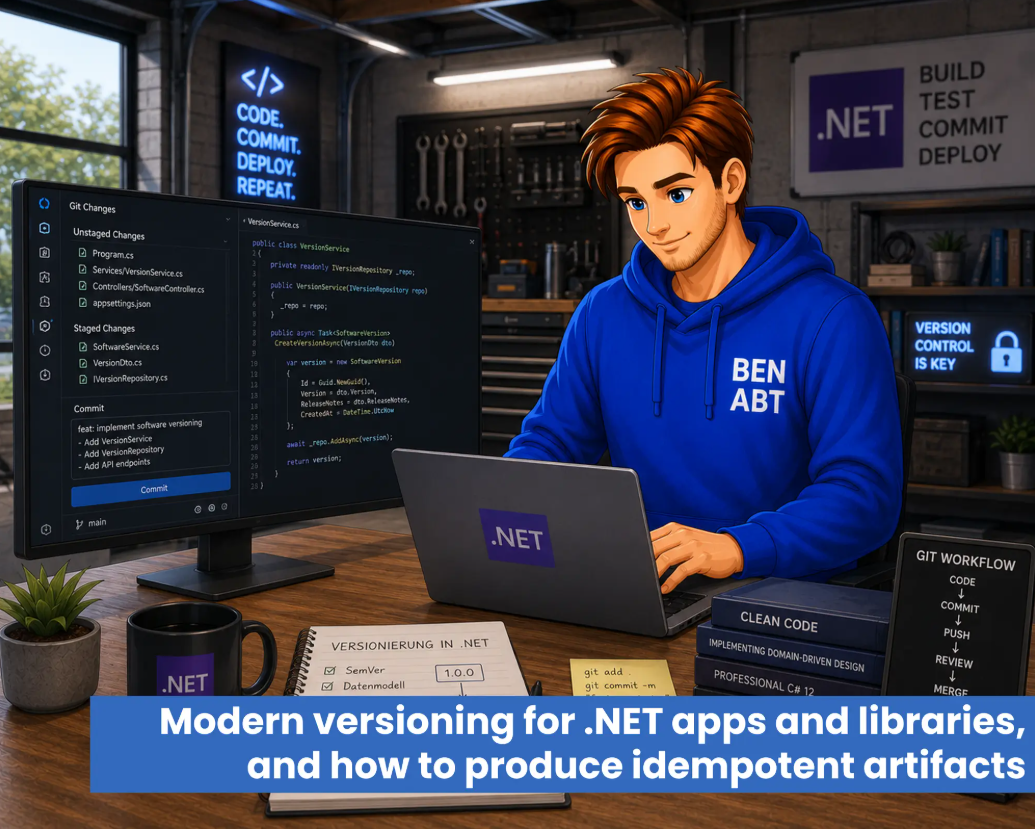
Modern versioning for .NET apps and libraries, and how to produce idempotent artifacts | BEN ABT
medium.com
Versioning stays invisible right up to the point when it fails. A package has to be reissued, a support case depends on one exact binary…
Topics: .NET Core
Read article
Building AI-Powered Database Migration Assistants with .NET and Azure AI
c-sharpcorner.com
Build AI-powered database migration assistants with .NET & Azure AI. Automate risk analysis, SQL generation, and documentation for safer, faster migrations.
Read article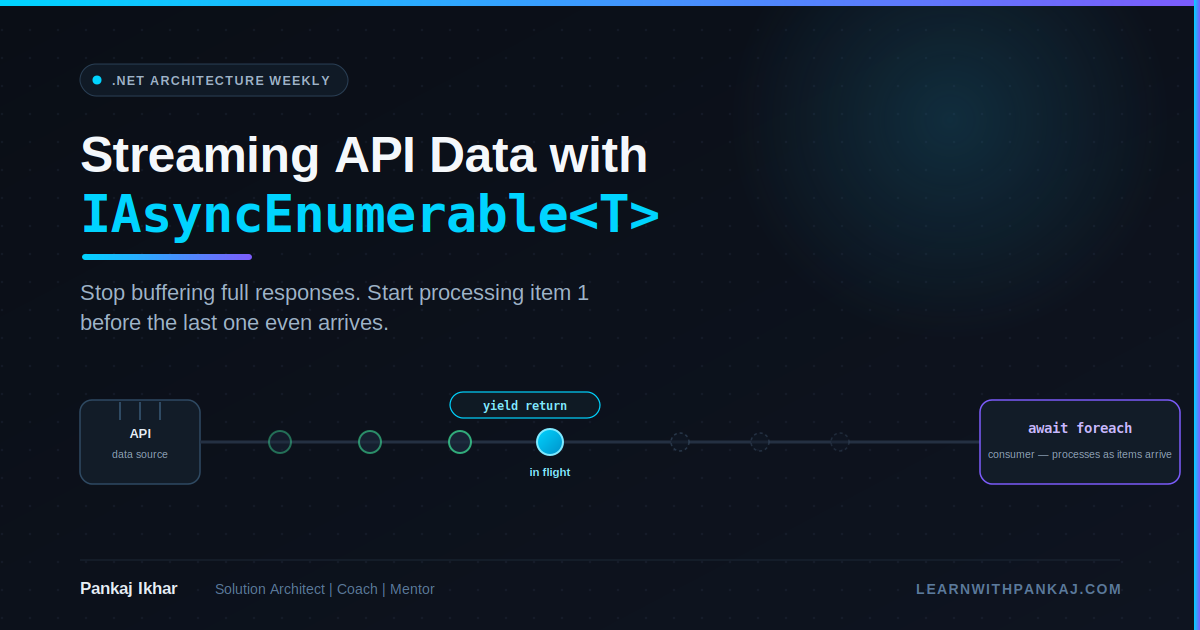
Stop Buffering Entire API Responses: Streaming Data with IAsyncEnumerable
medium.com
If your API method signature looks like Task >, you've already made a decision — whether you meant to or not — that the… Continue reading on CodeToDeploy »
Topics: Performance Web API
Read article
Building AI-Powered Knowledge Verification Systems with ASP.NET Core
c-sharpcorner.com
Build AI knowledge verification systems with ASP.NET Core to ensure accuracy, trust, and compliance in enterprise AI applications.
Topics: ASP.NET Core OpenAI
Read article
How to Build AI-Powered Service Desk Automation Platforms
c-sharpcorner.com
Unlock efficient IT support with AI-powered service desk automation. Learn to build platforms using ASP.NET Core for faster resolutions and better user experiences.
Topics: ASP.NET Core OpenAI
Read article
GitHub Copilot Workspace for Enterprise Teams: A Complete .NET Guide
c-sharpcorner.com
Unlock enterprise .NET development with GitHub Copilot Workspace. Accelerate planning, code generation, and reviews for faster, efficient software delivery.
Topics: GitHub GitHub Copilot
Read article
Extracting Hyperlinks from Word Documents in C#
medium.com
When handling batch document processing, compliance audits, or automated data extraction, developers frequently need to extract hyperlink…
Topics: C#
Read articleBuilding AI-Powered Application Configuration Advisors with .NET
c-sharpcorner.com
Build AI-powered application configuration advisors with .NET to proactively identify risks, optimize settings, and enhance security for improved reliability.
Read articleAI-Powered Knowledge Extraction from Enterprise Documents Using .NET
c-sharpcorner.com
Unlock enterprise document insights with .NET and AI. Automate knowledge extraction, improve search, and boost efficiency.
Read article
Designing AI-Native Service Architectures with ASP.NET Core
c-sharpcorner.com
Design AI-native service architectures with ASP.NET Core for scalable, resilient enterprise AI applications. Learn principles, patterns, and implementation.
Topics: ASP.NET Core Design Patterns
Read article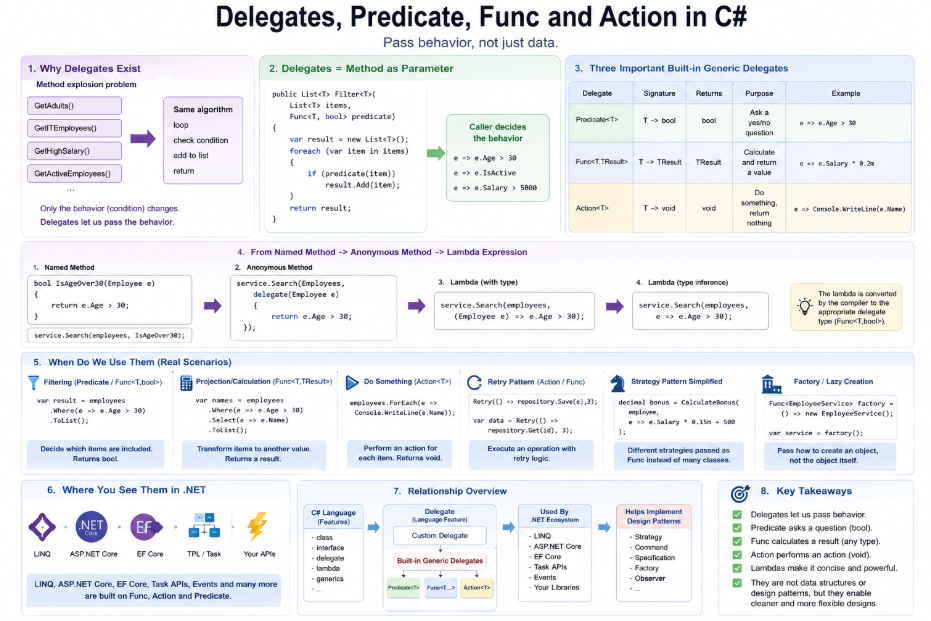
Understanding Predicate, Anonymous Methods, and Lambda Expressions in C#
ngcheehou.medium.com
Predicate
Topics: C#
Read article
Mastering .NET Interviews – Part 6: Entity Framework & Data Access
c-sharpcorner.com
Master .NET interviews: Dive into Entity Framework (EF) & data access. Learn EF Core, LINQ, migrations, transactions, and common interview questions.
Topics: EF Core SQL Server
Read article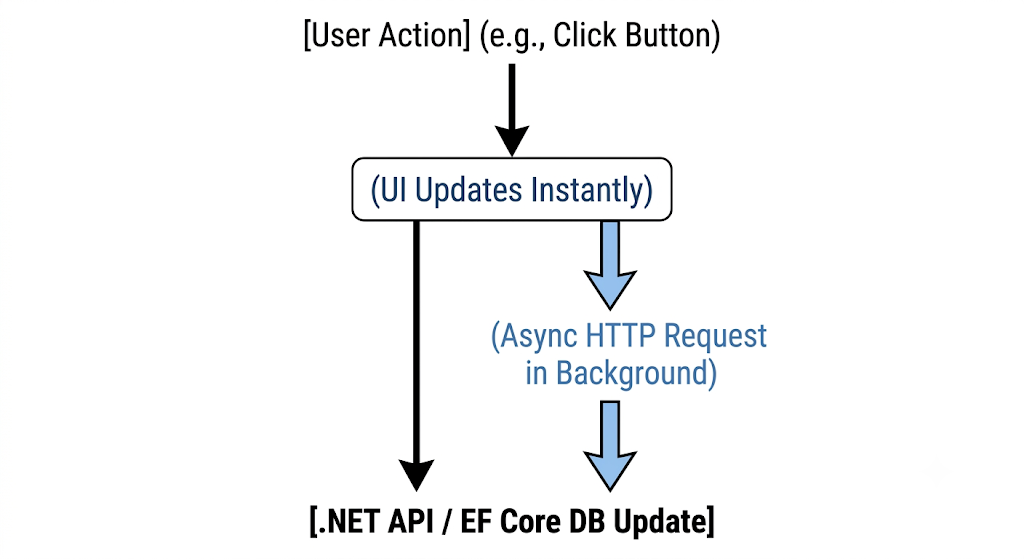
Beyond the Spinner: Implementing High-Performance Optimistic UI with .NET and JavaScript
medium.com
In software engineering, when we talk about improving application performance, our minds naturally drift toward backend optimizations…
Topics: ASP.NET Core Performance
Read article
10 C# Mistakes Senior Engineers Still Make in Production
medium.com
These are not beginner mistakes. I have seen every single one of these in production codebases written by engineers with 5, 8, even 12…
Topics: C#
Read article
Troubleshooting High CPU and Memory Issues in .NET Applications Without Leaving Your Laptop
medium.com
A few months ago, one of our .NET APIs started behaving strangely where CPU utilization would suddenly jump above 90% and also sometime…
Topics: Performance Profiling
Read article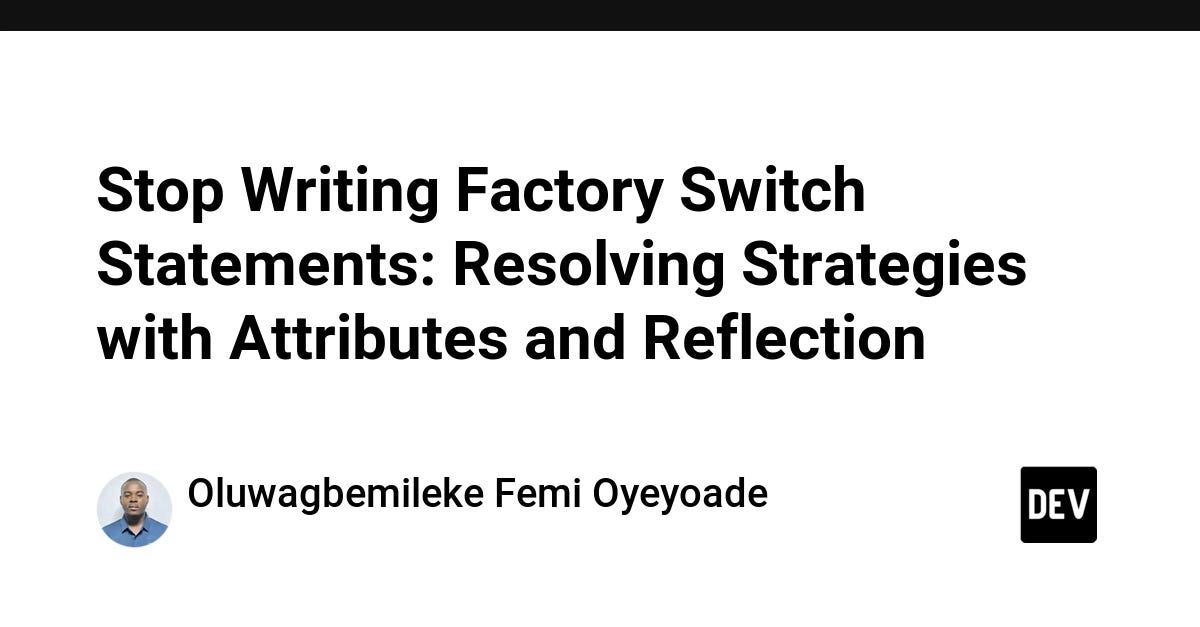
Stop Writing Factory Switch Statements: Resolving Strategies with Attributes and Reflection
gbemmiey.medium.com
In Part 1 of this series, we took a 50+ case switch statement and turned it into a family of small, independently testable strategy…
Topics: C# Design Patterns
Read article
Building Internal AI Copilots for Engineering Teams: Architecture and Best Practices
c-sharpcorner.com
Build internal AI copilots for engineering teams using ASP.NET Core, Semantic Kernel, Azure OpenAI, and Azure AI Search for enhanced productivity.
Topics: ASP.NET Core OpenAI Semantic Kernel
Read articleBuilding AI-Powered Compliance Monitoring Platforms with .NET
c-sharpcorner.com
Build AI-powered .NET compliance monitoring platforms for proactive risk detection, automated audits, and continuous regulatory adherence.
Read articleDesigning AI-Native Event Processing Systems with Azure Event Grid and .NET
c-sharpcorner.com
Build intelligent, AI-native event processing systems with Azure Event Grid and .NET for real-time analysis and automated decisions.
Read article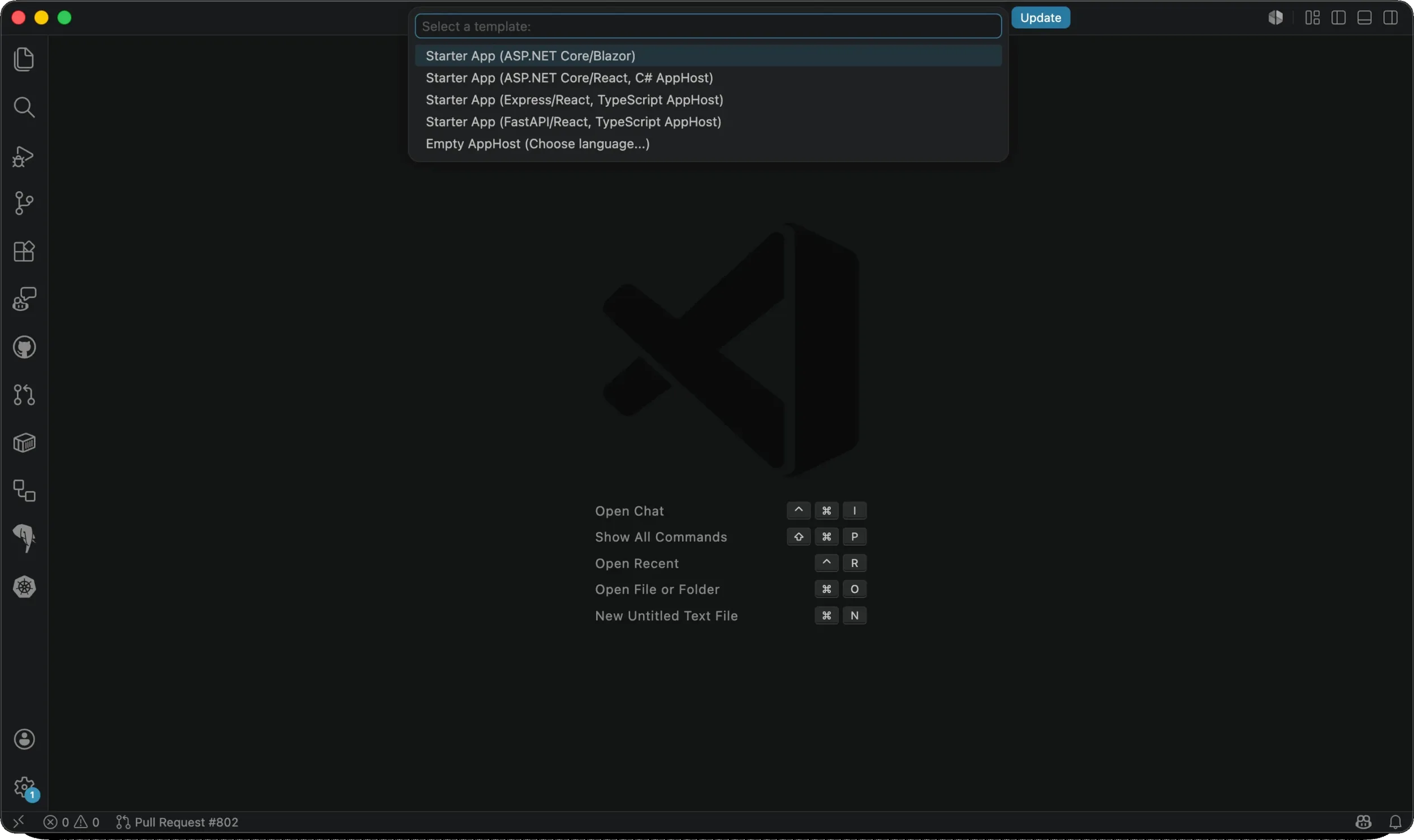
Aspire in VS Code: the 13.4 developer loop
devblogs.microsoft.com
Visual Studio Code consistently ranks as the most popular IDE for developers, and its flexibility and extension marketplace make it possible for developers using any technology or language to build an...
Topics: .NET Aspire Visual Studio Code
Read article
Outbox pattern in .NET
csharpdigest.net
how to implement reliable message publishing
Topics: Design Patterns Service Bus
Read article
Stop Writing Switch Statements for Approval Workflows: The Strategy Pattern in Practice
gbemmiey.medium.com
If you’ve built any kind of approval workflow — leave requests, expense claims, role changes, vendor onboarding — you already know how it…
Topics: Design Patterns
Read articleMastering .NET Interviews – Part 5: ASP.NET Core
c-sharpcorner.com
Master ASP.NET Core interviews! Learn about middleware, DI, configuration, hosting, and key differences from MVC.
Topics: ASP.NET Core ASP.NET MVC
Read article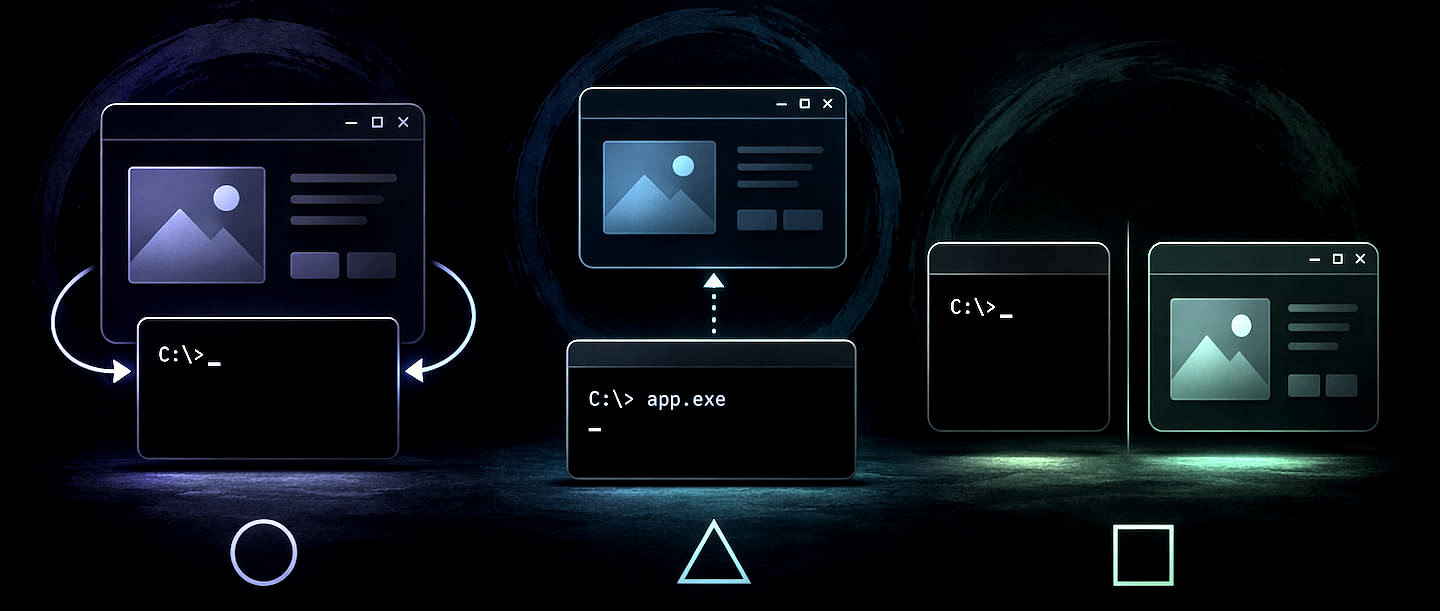
Creating Dual Use Windows GUI and Console Applications
weblog.west-wind.com
In my last post I described a WebPackageViewer tool tool that acts as a static Web site packager and self-contained Web site viewer all contained in a single Executable. One feature of this single fil...
Topics: .NET Framework WPF
Read article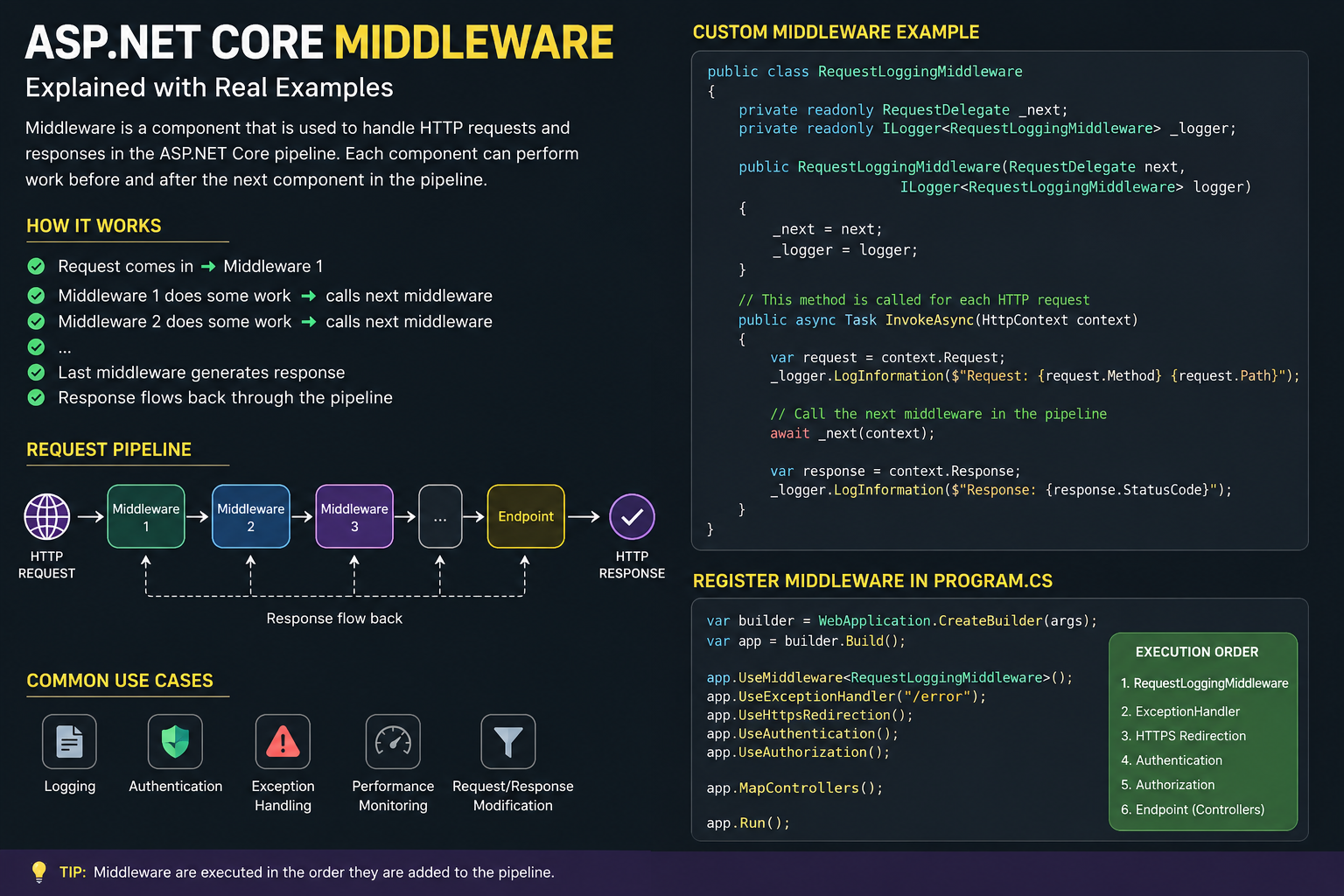
ASP.NET Core Middleware Explained with Real Examples
medium.com
Middleware is one of the most important concepts in ASP.NET Core. It allows developers to handle requests and responses in a pipeline. In…
Topics: ASP.NET Core Web API
Read articleMastering .NET Interviews – Part 9: Testing & Performance
c-sharpcorner.com
Master .NET interviews: Learn unit/integration testing, mocking, DI, and performance tuning (caching, async, profiling).
Topics: Performance Profiling Unit Testing
Read article
Building Offline-First AI Applications with Foundry Local and .NET 11
c-sharpcorner.com
Build offline-first AI apps with .NET 11 and Foundry Local. Enhance privacy, reduce latency, and ensure reliability for intelligent applications.
Read article